Property Maintenance Hull: Repair Priorities for Busy Property Owners
Owning property in Hull can feel straightforward on paper and relentless in practice. A boiler fails on a cold Thursday, a tenant reports damp in the rear bedroom, the roofer spots slipped tiles while replacing a gutter bracket, and suddenly the neat maintenance budget you imagined in January has become a moving target. For busy owners, especially those juggling several addresses or balancing property with a full-time job, the real challenge is rarely the repair itself. It is deciding what must be done now, what can wait, and what will cost far more if ignored.
That judgment matters more in Hull than some owners realise. Much of the local housing stock has age-related issues, solid wall construction, older roofs, tired plumbing runs, and a familiar mix of patch repairs layered over decades. Add coastal weather, driving rain, fluctuating temperatures, and the wear that comes with occupied homes, and small defects do not stay small for long. A little water ingress around a chimney flashing can become rotten timbers, stained ceilings, blown plaster, and a tenant complaint that lands on a Friday evening.
The owners who keep costs under control are not always the ones spending the most. Usually, they are the ones who understand repair priority. They know the difference between an urgent defect and an irritating one. They know when cosmetic work should wait until after the source problem is resolved. Property Maintenance Hull CHM Yorkshire Ltd They know when to call a specialist and when a capable General Contractor can coordinate the fix properly. Most importantly, they resist the expensive habit of reacting to symptoms instead of causes.
The first rule: protect the building before you improve it
Property owners are often tempted by visible upgrades because they are easier to measure. A fresh kitchen, new flooring, updated lighting, and a neat repaint all make a place look cared for. They photograph well, help with lettings and sales, and give a satisfying sense of progress. But if there is one mistake that repeats across older homes, it is spending on finishes before securing the building envelope and core services.
A newly decorated room with unresolved damp is not an improvement. It is delayed disappointment. The same goes for replacing flooring above a subfloor with poor ventilation, fitting a new bathroom before investigating low pressure and hidden leaks, or paying for plastering when the roof is still allowing moisture in around the eaves.
When owners ask where to start, the answer is usually less glamorous than they hope. Start with anything that threatens the structure, safety, weather resistance, or essential operation of the property. That order is not exciting, but it works. Once those fundamentals are stable, renovation money actually lasts.
In practical terms, Property Maintenance Hull work tends to fall into two camps. The first is defensive maintenance, which stops loss, prevents deterioration, and keeps the property safe and habitable. The second is enhancement, which improves appearance, comfort, efficiency, or market value. Defensive work must come first, even when enhancement is more appealing.
What counts as urgent, and what only feels urgent
Owners often get caught out by noise, visibility, and inconvenience. A dripping tap feels urgent because you can hear it. A cracked gutter down a side passage may not feel urgent because nobody looks at it daily. Yet over six wet weeks, the gutter may do far more damage than the tap.
True urgency usually sits in one of four categories: risk to life and safety, active water ingress, loss of critical services, and defects likely to worsen rapidly. Electrical faults, gas issues, unstable masonry, major leaks, failed locks after a break-in, and heating failures in winter belong near the top. Damp staining that has appeared suddenly after heavy rain deserves quick attention because it points to an active route for moisture. So does overflowing guttering that saturates brickwork every time the weather turns.
By contrast, a dated kitchen door, cracked but stable internal plaster, stiff internal doors, or worn decorative sealant may be worth planning for but rarely demand an emergency call-out. Busy owners save money by learning this distinction. Emergency rates are expensive. They are worth paying when genuinely needed and wasteful when a problem can be assessed calmly and booked properly.
One landlord I worked with in west Hull had been putting off minor roof repairs for nearly a year because the issue seemed cosmetic from ground level. The ridge line looked a little tired, nothing dramatic. Then a tenant reported a brown patch spreading in the top-floor front room after heavy wind-driven rain. By the time access was arranged, a modest tile and flashing job had become a larger repair involving wet insulation, damaged ceiling sections, and timber treatment around the chimney breast. The lesson was simple. External defects are often quiet until they are expensive.
Roofs, gutters, and rainwater goods deserve more attention than they get
If you want a single area that offers the best return on maintenance spending, start above head height. Roof coverings, chimney details, leadwork, soffits, fascias, gutters, downpipes, and drainage connections quietly decide whether the rest of the building stays dry. In Hull, where wind and rain can exploit every weakness, neglect here is costly.
Guttering is routinely underestimated because replacement sections are not especially expensive. The problem is not the plastic or metal itself. It is where the water goes when it overflows or discharges in the wrong place. Saturated walls lose thermal performance. Mortar joints decay faster. Internal plaster salts out and crumbles. Timber near persistent damp begins to soften. In rented property, prolonged moisture often turns into condensation complaints because the colder, wetter surfaces make normal occupancy conditions harder to manage.
A sensible owner treats annual inspection of rainwater goods as routine, not optional. You do not always need scaffolding. Many issues can be identified from ground level, with binoculars, photos, or a short drone survey where appropriate and lawful. The point is to catch sagging runs, blocked outlets, slipped joints, and staining patterns before winter amplifies them.
Roof issues deserve the same approach. A few slipped slates or tiles may not justify a full replacement, but they do justify timely repair. Owners sometimes postpone small roofing jobs because access costs seem high. That can be reasonable if the defect is stable and monitored, but it is risky if water is already getting in. Paying for safe access once to fix a manageable defect is usually cheaper than repeating internal repairs after each storm.
Damp is rarely just a decorating problem
Few words cause more confusion in property management than damp. It is often used loosely, which leads to bad decisions. Stained walls, peeling paint, mould growth, musty smells, and blown plaster may all present as damp, yet the cause could be penetrating rain, condensation, plumbing leaks, bridged damp proof courses, leaking waste pipes, poor extraction, or a combination of several factors.
Busy owners are vulnerable to the quickest answer rather than the right one. A tenant reports mould, someone suggests anti-mould paint, and the room gets redecorated without addressing ventilation or cold bridging. Six months later the complaint returns. Not because the tenant is difficult, but because the building conditions did not change.
When assessing damp, context matters. Is the issue localised or widespread? Does it worsen after rainfall? Is it near a chimney breast, window reveal, or bathroom? Are there tide marks at low level, or black spot mould in corners and behind furniture? Is there a history of leaking gutters outside? Has insulation or airtightness been altered without matching ventilation improvements? These details point the investigation in the right direction.
This is where an experienced General Contractor can add real value, especially if they understand older housing stock. The best contractors do not jump straight to a product or a sales pitch. They trace the route of water, test assumptions, coordinate trades, and sequence repairs so one fix does not conceal another problem. In many cases, the right answer is a blend of external maintenance, internal drying time, selective plaster renewal, and improved extraction rather than a dramatic damp treatment package.
Services failures can wreck tenancies and budgets
When heating, electrics, plumbing, or drainage go wrong, the impact is immediate. These systems are the least visible when they work and the most disruptive when they do not. Busy owners often default to pure repair mode here, which is understandable, but repeated reactive spending can signal that replacement or wider remedial work would be cheaper over two or three years.
Boilers are a good example. If a unit is ageing, parts are becoming hard to source, and call-outs are creeping up, each repair should be assessed against probable remaining life. The cheapest invoice today is not always the cheapest route overall. The same applies to consumer units, old pipework with recurring pinhole leaks, or drains that block repeatedly because the line has a structural issue rather than a one-off obstruction.
A common budgeting mistake is separating service failures from refurbishment plans too rigidly. If you already know that a tired bathroom needs renewing within a year, patching unreliable pipework behind old tiles may be false economy. That is where Property Renovation Hull planning and maintenance strategy should meet. Coordinated works often reduce labour duplication, shorten void periods, and prevent newly finished surfaces from being opened up later.
The repairs that should rise to the top of your schedule
For owners who need a working triage method, the most reliable test is simple. Ask what will happen if the issue is left untouched for three months, then six. If the answer includes safety risk, water damage, legal non-compliance, service loss, or significant cost escalation, it moves up the queue.
The following priorities tend to justify prompt action:
- active roof leaks, overflowing gutters, or failed external drainage affecting the building
- electrical hazards, heating failures in cold weather, or plumbing leaks that risk damage
- signs of structural movement, unstable masonry, or rotten load-bearing timber
- persistent damp with an identifiable external or service-related source
- security failures, especially external doors, windows, and access points after forced entry
Everything else should be planned around these basics. That does not mean deferring all non-urgent work indefinitely. It means making sure cosmetic upgrades are not competing with defects that threaten the property itself.
Cosmetic work still matters, just not at the wrong moment
Once urgent and protective works are under control, appearance matters a great deal. Presentation affects rents, saleability, tenant retention, and the general pace at which a property deteriorates. Homes that feel neglected tend to be treated that way. Sensible decoration, flooring renewal, kitchen updates, and bathroom improvements are not vanity projects. Done at the right time, they are practical management decisions.
The key is sequencing. If a house needs rewiring, major plumbing alterations, or intrusive damp-related repairs, do those before new plaster finishes, fitted joinery, or final decoration. If a vacant period is available, bundle compatible works together. A short, well-organised project usually costs less than a string of separate visits stretched across months.
This is also where owners should think beyond repair and toward life-cycle value. For example, cheap laminate in a busy rental may need replacing sooner than a mid-range alternative that tolerates movement and moisture better. Washable paint in high-contact areas often earns its cost back in easier turnarounds. Exterior joinery repairs and repainting, if timed well, can postpone full replacement for years.
Older properties need a different kind of judgment
A lot of maintenance advice online assumes modern construction details, straight walls, predictable cavities, and neatly documented installations. Hull has many properties that do not fit that tidy picture. In older terraces and period homes, materials behave differently. Moisture movement, breathability, floor void ventilation, chimney condition, and the interaction between old and new materials all deserve care.
Owners get into trouble when they force modern solutions onto old problems without considering compatibility. Sealing everything up can worsen condensation. Dense patch materials can trap moisture where lime-based finishes once allowed evaporation. Replacing too much at once can erase useful clues about how the building has been performing.
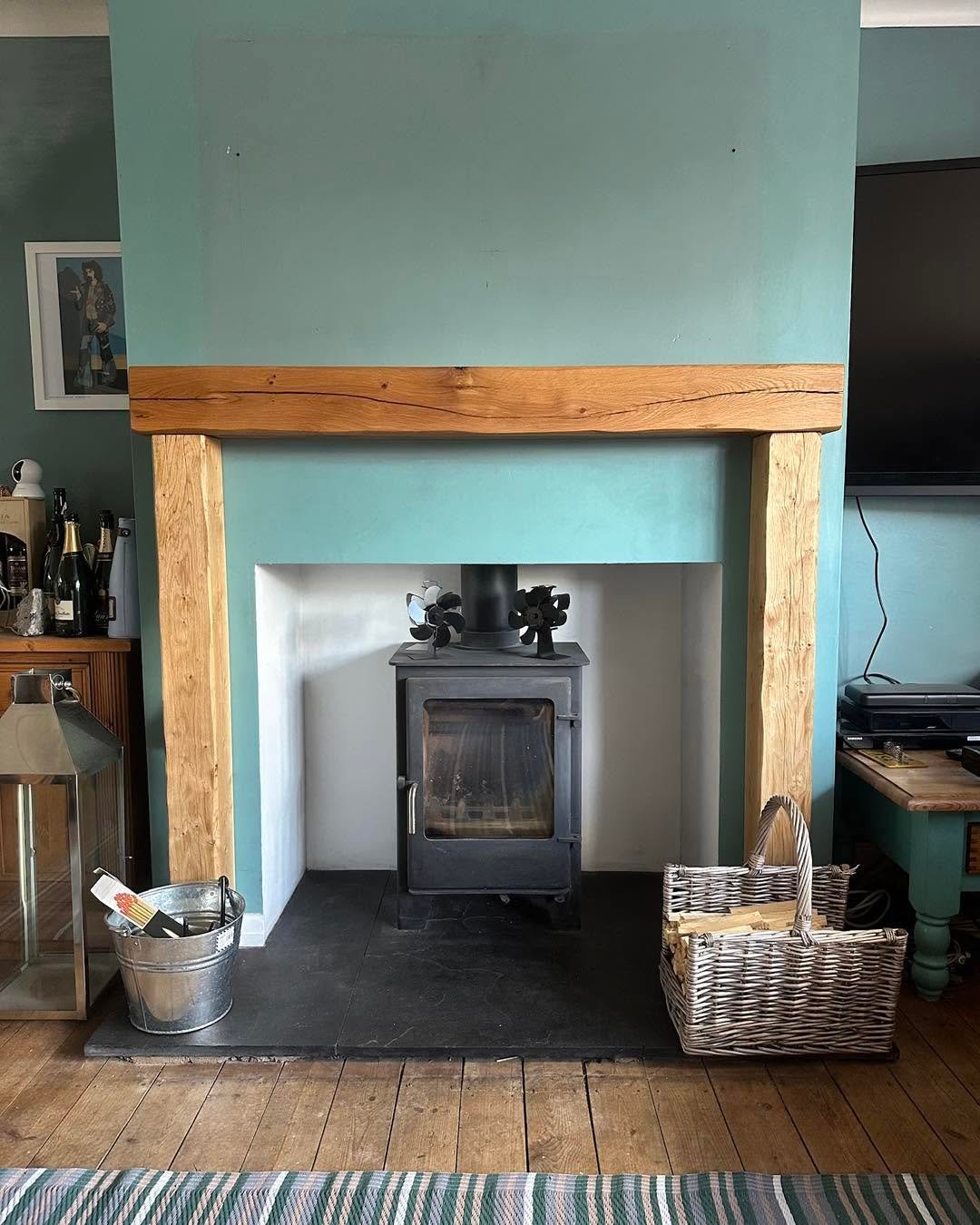
That does not mean older properties must be handled delicately to the point of paralysis. It means they need informed decisions. Sometimes the best maintenance choice is modest and targeted rather than dramatic. Repointing only where mortar has genuinely failed, improving extraction before replacing windows, repairing timber where section loss is limited, or renewing isolated roof areas before planning wider works can all be sensible moves.
The hidden cost of deferral
Most busy property owners do not ignore repairs because they do not care. They defer because they are time-poor, waiting on quotes, uncertain about the right solution, or trying to combine jobs efficiently. Those are reasonable instincts, but delay has a price. Materials get wetter, defects spread, and what could have been one trade becomes three.
The hidden costs show up in awkward ways. A small leak that saturates insulation increases heating bills. Damp walls trigger longer voids because rooms cannot be redecorated immediately. Recurrent call-outs frustrate tenants and increase churn. Insurance claims become harder when maintenance history looks thin. Contractors charge more to work around deteriorated conditions than they would have charged for a tidy preventive fix.
There is also a management cost that rarely gets counted. Every unresolved issue creates another text message, another site visit, another decision competing for your attention. Good maintenance systems reduce admin as much as they reduce physical deterioration.
How busy owners can stay ahead without micromanaging
You do not need to become a surveyor to manage property well, but you do need a repeatable process. The owners who stay ahead are the ones who capture condition clearly, review it at sensible intervals, and keep trusted trades close enough that small jobs do not wait until they become urgent.
A workable routine might look like this:
- inspect occupied properties on a regular schedule and photograph recurring concern points
- review roofs, gutters, seals, extraction, and external drainage before autumn and after severe weather
- keep a running log of boiler age, electrical upgrades, plumbing history, and previous leaks
- group compatible works during voids or planned access windows
- use one reliable General Contractor when coordination matters more than chasing the cheapest single-trade quote
This approach is not glamorous, but it is effective. It turns maintenance from a string of interruptions into a manageable system. It also improves quote quality, because contractors can see history, previous repairs, and the broader context instead of arriving blind to a one-line description.
Choosing the right contractor for the job
Not every repair needs a large contractor, and not every specialist is the right lead for a multi-trade issue. The skill is matching the problem to the right level of oversight. If a single tap is leaking, call a plumber. If a ceiling stain may involve roofing, plaster, timber, insulation, and decoration, someone needs to own the whole sequence.
That is often where a good General Contractor earns their place. They may not perform every trade personally, but they understand interfaces. They know that repairing the source of moisture comes before internal making good. They know when to open up further and when to stop. They can also give a realistic view of whether a patch repair is sensible or whether a broader scope will save money.
Busy owners should value communication as highly as price. Clear attendance times, plain explanations, photos of defects, staged options, and realistic lead times matter. The cheapest quote can be expensive if the diagnosis is wrong or the sequencing poor. Equally, the highest quote is not automatically the most thorough. Ask what is included, what assumptions are being made, and what could change once surfaces are opened.
When maintenance becomes renovation
There comes a point where repeated repair signals a bigger decision. If a property has ageing services, tired finishes, poor thermal performance, recurring damp, and a layout that no longer suits the market, piecemeal maintenance starts to lose efficiency. That is the moment to step back and consider a broader Property Renovation Hull plan.
Renovation is not an admission of defeat. In many cases, it is the disciplined response to years of fragmented spending. A well-scoped renovation can address hidden defects, modernise services, improve energy performance, and reduce maintenance demand for years afterward. The caution is that renovation should not be used to mask unresolved building issues. It should solve them as part of a coherent package.
Owners who make this shift well usually begin with evidence. They review call-out history, void costs, tenant complaints, known defects, and the likely lifespan of major elements. If the same address keeps consuming attention and budget, deeper intervention may be the better business decision.
Good repair priorities protect time as much as money
Property owners often think of maintenance purely as a cost line. It is more than that. It is a system for protecting asset value, tenant relationships, insurance defensibility, and your own time. The difference between a stressful portfolio and a stable one is rarely luck. It is usually the result of calm prioritisation and timely action.
The properties that age best are not necessarily the newest or the most luxurious. They are the ones where water is kept out, services are kept safe, ventilation works, defects are not left to compound, and improvements are made in the right order. That is the practical core of Property Maintenance Hull. Keep the building dry, sound, safe, and functional first. Then spend on the parts people see every day.
Busy owners do not need perfect properties. They need clear priorities, sensible sequencing, and contractors who understand that every repair sits inside a bigger picture. When that discipline is in place, maintenance stops feeling like firefighting and starts doing what it should have done all along, preserving the building before it demands rescue.
CHM Yorkshire Ltd
Hull
HU9 5BU
Tel: 01482 455159
Website: https://www.chmyorkshireltd.co.uk